
English| EUR
Suggested for you
More currencies
Choose a language
A long connection at Narita does not have to be spent circling the same duty-free loop. The airport's transit programme puts volunteer guides and short local excursions within reach of anyone holding an onward boarding pass. This narita transit program guide explains what the scheme is, when the desks operate, and how much layover time the whole exercise realistically consumes.
Quick answer
The programme runs 09:00–14:00, seven days a week, with desks in Terminal 1 and Terminal 2. Entry costs 0 JPY — participants pay only their own transport and meals. Guided departures cluster in the morning, so a connection arriving after the early afternoon usually misses the window entirely, however long the remaining layover is.
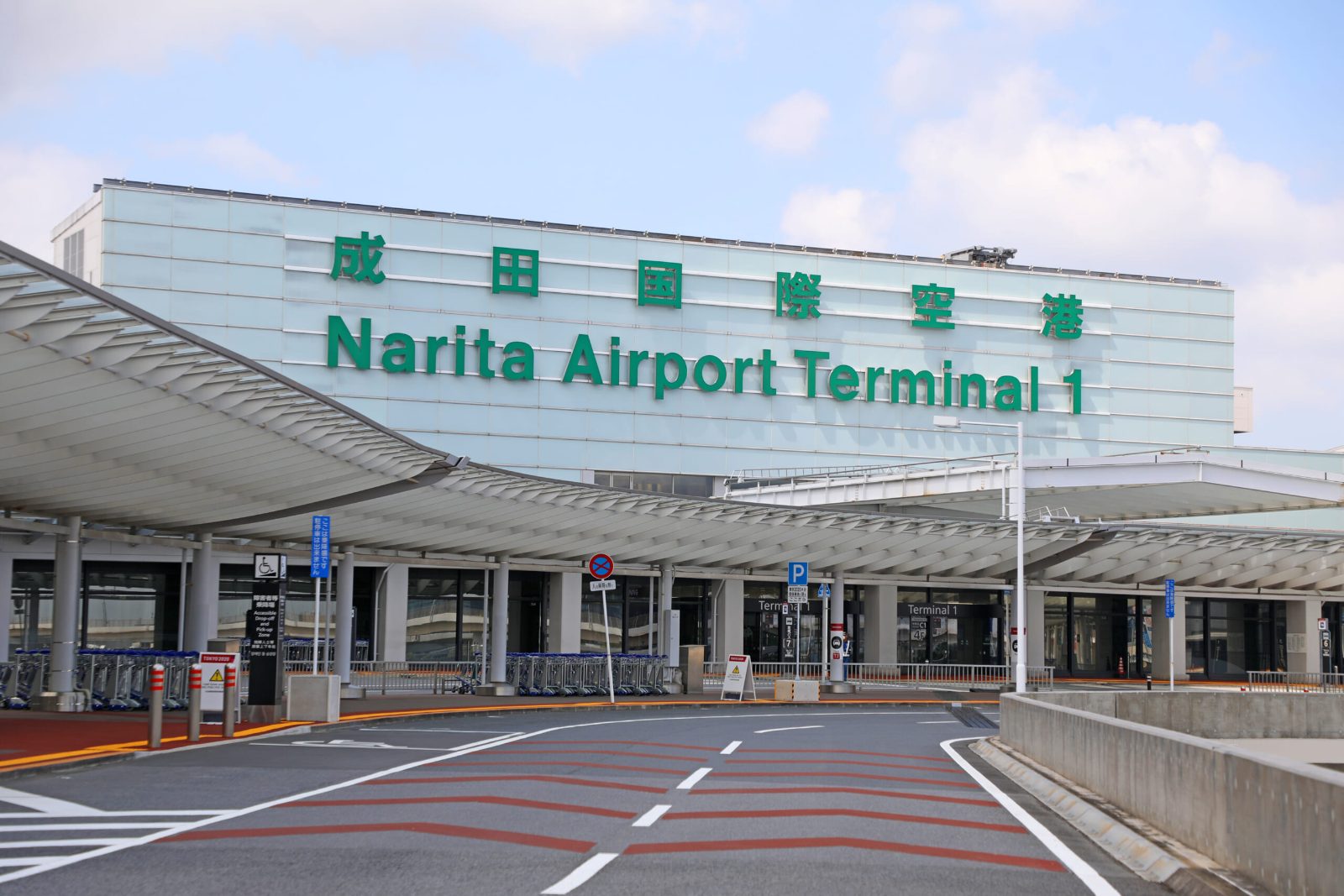
Narita is not one airport but two passenger islands separated by several kilometres of taxiway, and the transit programme maintains a presence in both — Terminal 1 and Terminal 2 each host a desk, so the terminal a passenger lands in determines where the day begins. That detail matters more than it sounds. Travellers who assume a single central meeting point have been known to burn forty minutes on the inter-terminal shuttle before realising they were already in the right building. The narita transit program tours were built around this geography, not in spite of it. What the scheme actually offers is time-bound rather than ticket-bound. There is no tiered product to compare and nothing to reserve months ahead; the constraint is the clock. A transit passenger clearing immigration, riding the Keisei line or a chartered coach out toward Naritasan Shinshoji Temple or the Edo-era shopfronts of Omotesando, and returning with margin for re-screening, is looking at a substantial bite out of a connection. Guides are typically local volunteers rather than commercial escorts, which shapes the tone — commentary on temple architecture, the eel restaurants along the approach road, the difference between a torii and a sanmon — but also means capacity is finite and departures are grouped rather than continuous. Immigration is the other variable. Passengers on a through-checked itinerary still need a temporary landing permission stamp, and the queue for it fluctuates with the arrival bank. The practical reading is this: treat the programme as a morning proposition attached to a genuinely long connection, not as a way to fill ninety spare minutes. Six hours is a working floor for most itineraries; eight is comfortable. Passengers with checked baggage that will not clear to the final destination, or with visa nationalities that complicate short-term entry, should verify their own position before committing, since the volunteer desks cannot resolve immigration eligibility on the spot. Airport-run excursions of this kind are common across East Asian hubs, but Narita's version is unusually well established and unusually generous with its free-entry structure. For anyone weighing a Narita layover tour against a lounge day pass, the deciding factor is rarely cost — it is whether the inbound flight lands early enough. The narita transit program tours reward passengers who arrive with the morning still ahead of them, and quietly exclude everyone else.
“Treat the programme as a morning proposition attached to a genuinely long connection, not as a way to fill ninety spare minutes.”
The Narita Transit Program tours operate daily to accommodate travelers with layovers at Narita International Airport. The program maintains consistent operational hours throughout the week.
The Narita Transit Program itself does not charge an entrance fee for participation. However, participants are responsible for covering their own incidental costs incurred during the tour.
Verdict: While the program service is 0 JPY, total costs depend entirely on the individual's choice of transportation, meals, and any optional site entrance fees.
To optimize your chances of joining a guided group, the best arrival window is 09:00–12:00. Arriving during this period aligns with the typical organization of guided tours at Narita International Airport.
—
Morning arrivals offer the highest availability for tour slots.
—
Weekend tours may fill faster due to increased passenger transit.
Mild, 15°C–22°C
Moderate temperatures provide comfortable conditions for walking tours.
Cold, 2°C–10°C
Expect fewer crowds during the colder off-peak winter season.
Verdict: The best time to visit is any day between 09:00 and 12:00 during the months of April or October.
This procedure takes you from confirming your layover details at Narita International Airport to registering with the transit program desk and joining a guided tour. The registration itself takes a few minutes once you reach the counter, though the full sequence from landing to departure depends on your connection.
Check your onward boarding time and work backwards, allowing for the return trip plus airport security and immigration re-entry. Travellers most often miscalculate by counting only the tour duration and forgetting the buffer needed to clear checks again.
The program operates from Narita International Airport, Terminal 1 and Terminal 2, Narita, Chiba, Japan. Confirm which terminal your flight lands in before setting off, as walking between terminals adds time you may not have budgeted.
Pass through Japanese immigration with your passport, since the tours run landside rather than inside the transit area. Passengers frequently assume the program is accessible from the restricted zone and lose time discovering otherwise.
Head to the transit program desk in the arrivals area of your terminal. Staff there confirm which guided tours still have places, so ask about tour options before committing to a route.
Give staff your onward flight number and complete the registration form on the spot. Tours fill on a first-come basis, so a second-choice route is worth having in mind.
Confirm the stated return time to the airport with the guide and note the meeting point for the group. Missing the group departure means arranging your own way back at your own expense.
Review https://www.narita-transit-program.jp/ before travelling, as available routes and eligibility conditions change. Details published elsewhere are often out of date.
Leaving the airport on a transit tour depends on a few documents and practical choices you settle before you land at Narita.
Everything you need to know about narita transit program tours
The narita transit program tours provide travelers with the opportunity to explore local areas near the airport during long connection times. These guided excursions help international visitors experience Japanese culture and landmarks while waiting for their next flight.
There is 0 JPY entrance fee for the program itself, as it is a service offered to travelers. However, participants are responsible for covering their own transportation costs and any meals consumed during the outing.
The program operates daily from 09:00 to 14:00. These hours apply consistently across all days of the week, including weekends and holidays.
The best arrival window for joining is between 09:00 and 12:00. Guided tours are typically available and organized during these morning hours to ensure enough time for exploration before your departure.
To participate in narita transit program tours, you should head to the designated desks located within Narita International Airport Terminal 1 or Terminal 2. Once there, you can inquire about current availability and registration for the local sightseeing options.
Children are generally welcome to join these activities, provided they are accompanied by a parent or guardian. Please ensure that younger travelers are prepared for walking and public transit navigation during the trip.